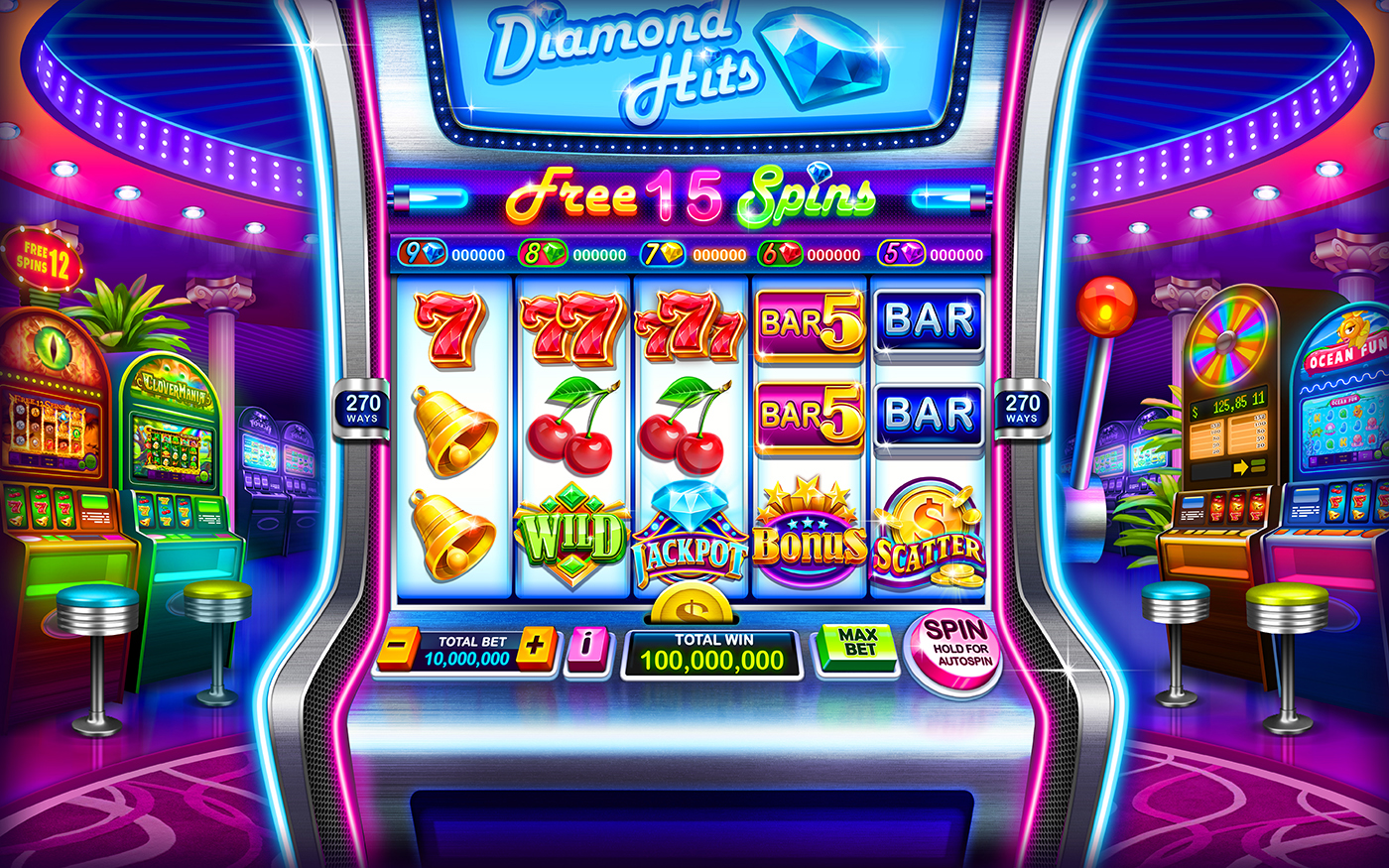

Online casinos turn familiar games into a screen-sized pastime, but convenience can make money feel less real. A balance displayed in bright digits is still a balance of actual funds, and a spin remains a wager. Before opening an account, it helps to understand how games work, what the rules cost, and where the exit button is.
A practical starting point is to compare the operator’s terms, payment options, and account controls rather than trusting polished banners. A directory such as casiny.link may help with initial research, but treat any listing as a prompt to verify details directly with the casino and its licensing authority.
Check the Rules Before You Deposit
Licensing is not decorative text in a footer. It identifies the regulator responsible for overseeing an operator and gives players a route for checking complaints or standards. Requirements differ by jurisdiction, so confirm that online gambling is legal where you live and that the casino is authorised to accept customers from your location.
Then examine the practical terms: identity checks, withdrawal limits, payment fees, account closure procedures, and bonus conditions. A promotion can look simple until wagering requirements turn it into a spreadsheet with a talent for ruining the mood. If the rules are unclear, ask support for a written explanation before depositing.
- Find the operator’s legal company name and licence details.
- Read the terms for deposits, withdrawals, verification, and inactive accounts.
- Check whether customer support is available through a useful channel.
- Use a unique password and enable two-factor authentication where offered.
- Confirm that the site provides tools for setting limits or taking a break.
Understand the Odds, Not Just the Graphics
Games differ in how their outcomes are generated and how much control a player has. Slots generally use random number generators, while table games may involve decisions that affect the odds. Neither vivid animations nor a dramatic sound effect changes the mathematics. A winning streak is not evidence that the next result is due to go your way.
Return to player, commonly shortened to RTP, is a theoretical long-run figure. An RTP of 96% does not promise that a player gets back 96 cents for every dollar wagered during a particular session. Short-term results can vary widely, and the house edge means the expected outcome favours the operator over time. Think of RTP as a weather average: useful context, not a forecast for your next spin.
| Term | What it means | What to remember |
|---|---|---|
| RTP | Theoretical percentage returned across many plays | It does not guarantee an individual result |
| Volatility | How frequently and sharply outcomes may fluctuate | High volatility can mean longer dry spells |
| Wagering requirement | How much eligible play is required before bonus funds can be withdrawn | Check game contributions and expiry dates |
| House edge | The casino’s mathematical advantage in a game | Longer play generally means more exposure to it |
Set a Budget That Can Take a Loss
Responsible play starts before the first bet. Choose an amount you can afford to lose, separate it from rent, bills, savings, and debt payments, then set a time limit as well. A budget is not a challenge to beat; it is a boundary. When the money or time runs out, stop—even if the last result feels unfair. Randomness has no customer-service desk.
Account tools can make those boundaries easier to keep. Deposit limits restrict how much you add, loss limits cap losses over a chosen period, and session reminders interrupt the hypnotic “one more round” loop. Cooling-off periods and self-exclusion can help when a temporary pause is not enough. Set limits before playing, while decision-making is calm rather than dressed in adrenaline.
Signs It May Be Time to Pause
- Playing longer or spending more than you planned.
- Trying to recover losses by raising stakes.
- Hiding gambling from people you trust or borrowing to continue.
- Feeling restless or distressed when you are not playing.
Recognising a problem is not a character flaw, and taking a break is not a failed strategy. If gambling is affecting your finances, sleep, work, or relationships, stop depositing and contact a qualified local support service. Blocking access, asking your bank about gambling transaction controls, and telling someone trustworthy can create useful friction while you seek help.
Payments, Verification, and Withdrawals
Payment speed depends on the method, operator checks, bank processing, and local rules; a displayed estimate is not a guarantee. Casinos may request identity documents to meet legal requirements, sometimes before a withdrawal. Submit information only through the verified account area, check that the website address is correct, and never share a password or one-time code with someone claiming to be support.
Keep records of deposits, withdrawals, and relevant messages. If a payment is delayed, ask the operator for a case reference and a clear explanation of any remaining checks. Avoid repeatedly submitting documents through unofficial channels. A reputable process should explain what is required and why, even if verification feels about as thrilling as sorting receipts.
Play for Entertainment, With an Exit Plan
Online casino games are paid entertainment, not a reliable way to earn income or solve financial pressure. That distinction can sound obvious, yet fast deposits and quick rounds blur it. Read the rules, decide your limits, and leave when the session no longer feels enjoyable. The smartest wager may be choosing not to place another one.
原文链接:https://relive.xintheme.cn/fenlei-a/7088.html